Founded in 1990, Sharpe Products is an ISO 9001:2015 certified company specializing in industrial and commercial pipe and tube bending, laser cutting, end-forming or other custom fabrication services. In addition, we offer a robust line of architectural handrail fittings and accessories such as brackets, connectors, disks, end-caps, flanges, newel caps and spheres.

Here at Zeman Manufacturing Company we offer a number of services and products including: tube bending, tube end forming, tube assembly, tube cutting, hypodermic tube fabrication, tube coiling, tube swaging, lubricating oil cups, metal tube spacers and custom miniature headers. If you have any specialized requests then give one of our representatives a call today! Please visit our website if you...

With 75+ years of experience, H-P Products, Inc. is a leader in precision tube fabrication. We offer CNC bending up to 8" OD, NC bending up to 10" OD, laser tube cutting, welding, and end-forming to support a wide range of industries. From complex geometries to contract manufacturing, customers rely on us for consistent quality and dependable results.
Diemo Machine Works provides precision machining, custom fabrication, welding, laser cutting, and tube bending services. With meticulous attention to detail and commitment to excellence, we deliver high-quality, custom-engineered solutions that meet the diverse needs of our clients across various industries.

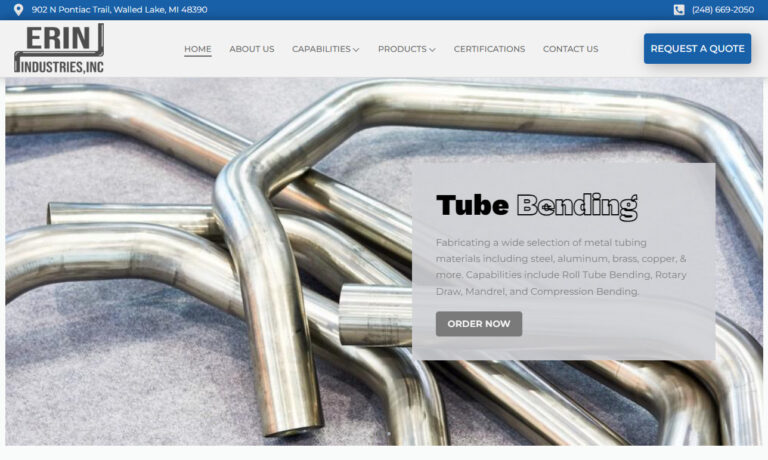
At Erin Industries, Inc., we take great pride in our expertise and capabilities in the field of tube fabrication. With a commitment to precision, reliability, and innovation, we continuously strive to elevate the standards of tube fabrication within the industry. Erin Industries, Inc. is your trusted partner for all your tube fabrication needs, delivering products and services that meet and...
Great Lakes Powder Coating, L.L.C. (GLPC) is a leading provider of comprehensive manufacturing solutions, specializing in CAD design, tube bending, laser cutting, media blasting, welding, powder coating, and pre-treatment services. With a commitment to precision and quality, GLPC excels in delivering custom, high-performance finishes that meet the exacting standards of various industries,...

At Fraser Steel Company, we take pride in delivering precision tube fabrication solutions that meet the highest standards of quality and reliability. We specialize in producing custom metal tubing for a wide range of industries, leveraging our expertise in bending, cutting, and forming to create components that perform under the most demanding conditions.

At TubeCo, Inc., we take pride in our ability to provide comprehensive tube fabrication solutions that meet a diverse range of industry needs. With decades of experience, we excel in crafting high-quality tubes tailored to our clients' precise specifications. Our extensive portfolio includes everything from standard and custom tube designs to complex, precision-engineered components. Our...




More Custom Tubing Manufacturers
Custom tubing is a specialized form of tube fabrication, offering tailored solutions for a wide range of industries. Its ability to meet specific requirements and achieve precise fit and form has made it indispensable in various applications. Whether you require advanced material selection, unique dimensions, or specialized processing, custom tubing plays a critical role in manufacturing, construction, medical, automotive, aerospace, and energy sectors. This comprehensive guide explores the key components, types, materials, manufacturing processes, and essential considerations for buyers and engineers seeking high-performance custom tubing solutions.
Components Common to Tubing
In the realm of custom tubing, the familiar components of outer diameter (OD), inner diameter (ID), wall thickness, and length take on a new level of customization. Unlike standard tubing, custom tubing allows for variations in OD and ID specifications, enabling a perfect match for specific needs such as flow rate, pressure requirements, or compatibility with mating parts. Wall thickness can also be adjusted to accommodate different levels of strength, burst pressure, and durability, while length can be customized to suit the requirements of the application. Additionally, the choice of material composition can be tailored to meet specific demands, such as corrosion resistance or temperature tolerance.
- Outer Diameter (OD): The external width of the tube, critical for fit and integration with other components.
- Inner Diameter (ID): The internal opening, which directly impacts flow rates for fluids or gases.
- Wall Thickness: Affects structural integrity, weight, and pressure ratings.
- Length: Custom cut-to-length options reduce waste and streamline installation.
- Material: Specified for application-specific requirements—choose from metals (e.g., stainless steel, aluminum, copper), plastics (e.g., PVC, polyethylene), or specialty alloys.
- Surface Finish: Options include polished, matte, or coated finishes for enhanced durability or sanitary requirements.
Are you unsure which tube dimensions are right for your project? Ask: What is the best wall thickness, ID, and OD for my application's pressure and flow requirements?
Components Specific to Various Forms of Custom Tubing
Custom tubing comes in various forms, each tailored to specific applications and created through specialized processes. Understanding these forms helps you choose the right tubing profile for your industry challenge.
- Coiled Tubing: Commonly used in the oil and gas industry for well intervention and production, coiled tubing is manufactured by winding long lengths of tubing into a compact spool. This continuous length eliminates joins and potential leak points, making it ideal for downhole operations, chemical injection, and pipeline cleaning.
- Square and Rectangular Tubing: Widely utilized in construction, architecture, and industrial frames, these profiles are typically produced by cutting and shaping flat sheets of metal or other materials into the desired shape and then welding the edges together. Their geometric stability makes them suitable for load-bearing structures, supports, and frameworks.
- Finned Tubing: Employed in heat exchangers for improved heat transfer, finned tubing is created by attaching fins to the outer surface using techniques like extrusion or brazing. Finned tubes maximize surface area, boosting thermal efficiency in HVAC, refrigeration, and process cooling systems.
- Perforated Tubing: Used in filtration systems and fluid distribution, perforated tubing is made by drilling or punching holes at regular intervals along the length of the tube. Applications include water treatment, chemical processing, and acoustic dampening.
- Shaped Tubing: Custom profiles such as oval, D-shaped, or even aerodynamic forms are often found in automotive, aerospace, and furniture industries. Manufactured using roll forming, hydroforming, or specialized extrusion, shaped tubing provides unique mechanical or aesthetic advantages.
- Telescoping Tubing: Designed to slide within other tubes, telescoping tubing is key for adjustable assemblies such as medical equipment, camera mounts, and structural supports.
Searching for a unique tubing shape or application? Explore: What custom tube profiles are available for specialized engineering needs?
Materials Used for Custom Tubing
Custom tubing caters to diverse material needs based on specific applications. The choice of material not only influences performance but also determines longevity, maintenance, and compliance with industry standards.
- Stainless Steel Tubing: Highly favored in the medical industry for surgical instruments, implants, and sanitary fluid transfer. Stainless steel grades such as 304 and 316 offer excellent corrosion resistance, biocompatibility, and high temperature tolerance.
- Aluminum Tubing: Renowned for its lightweight and corrosion-resistant properties, aluminum is a preferred choice in the aerospace industry for aircraft frames, structural components, and lightweight automotive parts. Aluminum alloys deliver strength-to-weight advantages and good conductivity.
- Copper Tubing: Prevalent in HVAC and plumbing systems, copper tubing is prized for its thermal conductivity, antimicrobial properties, and ease of forming, making it ideal for refrigerant lines, heat exchangers, and potable water systems.
- Plastic Tubing: PVC, polyethylene, PTFE, and PEX are widely utilized in water distribution, medical devices, and chemical handling. Plastics offer flexibility, chemical resistance, and cost-effectiveness.
- Specialty Alloys and Composites: For demanding applications, materials such as titanium, Inconel, Monel, Hastelloy, and advanced composites deliver exceptional strength, corrosion resistance, or non-magnetic properties for industries like defense, marine, and high-performance electronics.
Wondering which tubing material is right for your application? Compare: What are the advantages and disadvantages of stainless steel, aluminum, copper, and plastic tubing for my industry?
Processes and Equipment for Creating Custom Tubing
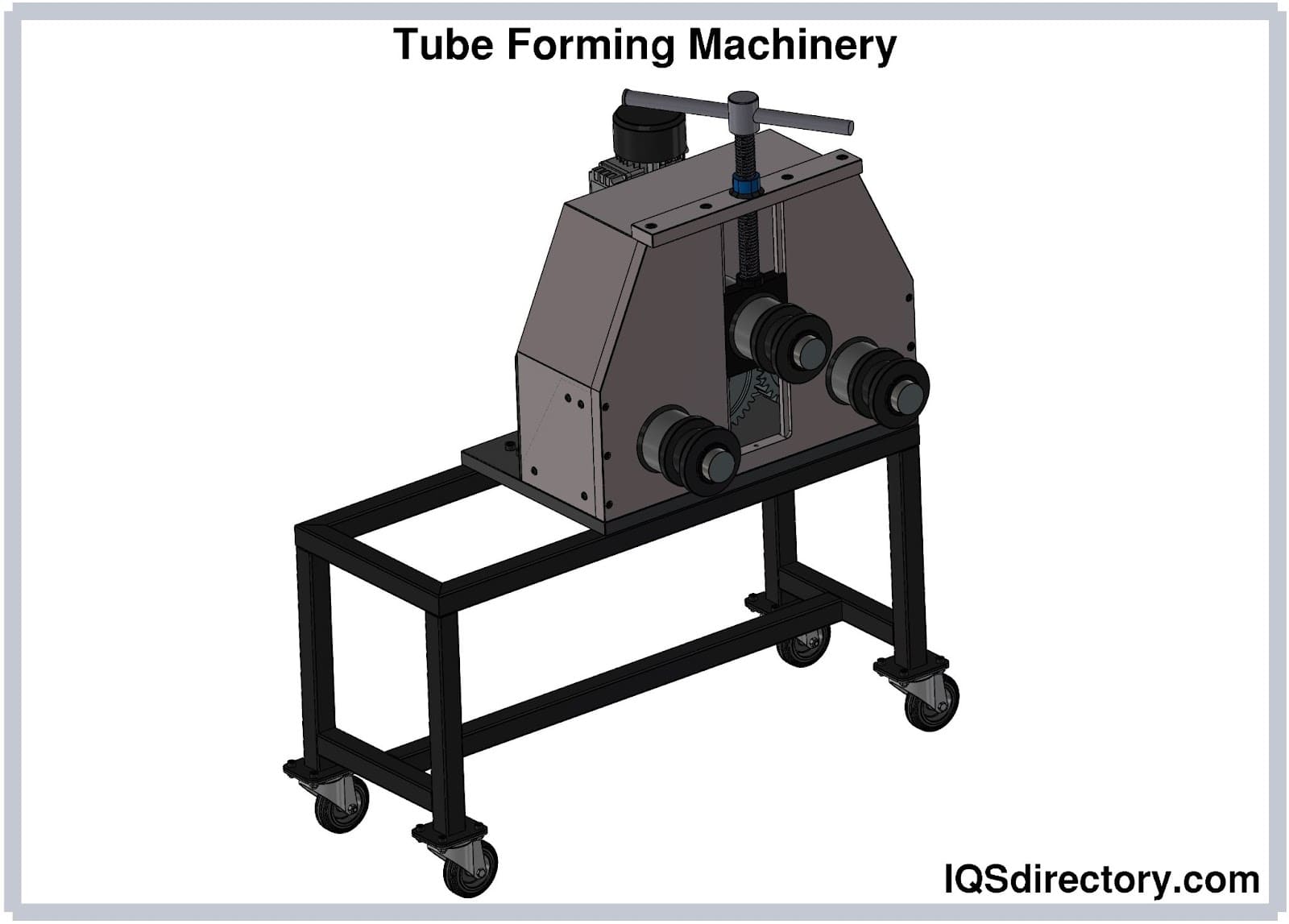
Creating custom tubing involves a range of advanced manufacturing processes and equipment. The fabrication process selected depends on the tube material, dimensions, tolerances, and intended use. Modern custom tubing fabrication often leverages automation, precision CNC machinery, and quality control systems to ensure consistency and repeatability.
- Tube Cutting: Laser, rotary, or abrasive cutting delivers precise lengths and clean edges, making it essential for industries like industrial machinery, fabrication, and automated assembly lines. Computer-controlled cutting reduces waste and improves throughput.
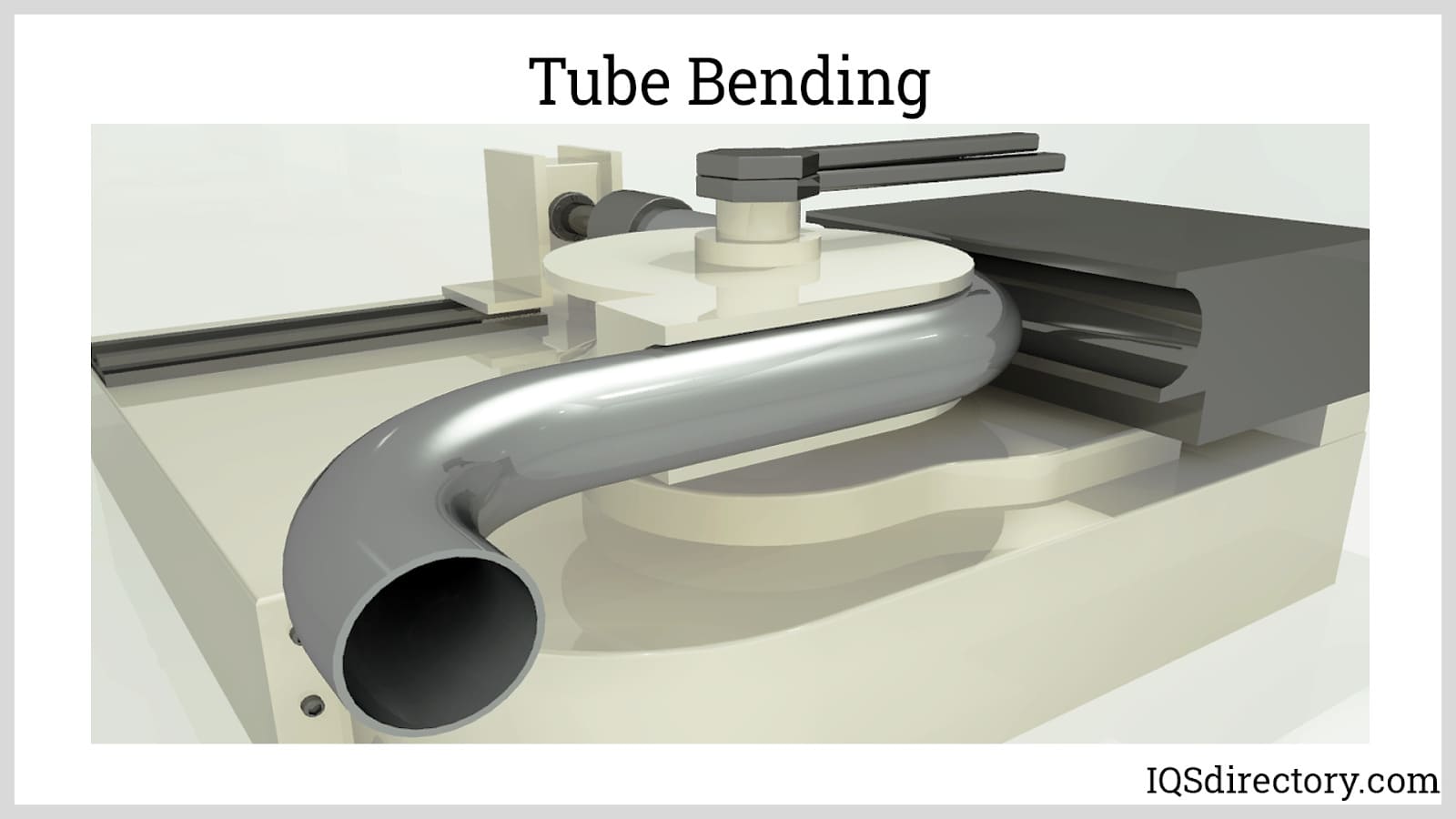
- Tube Bending: Mandrel bending, compression bending, and roll bending enable the creation of intricate shapes and tight radii for exhaust systems, hydraulic lines, and custom furniture. CNC bending ensures repeatability and accuracy for high-volume production.
- Tube Welding: TIG, MIG, and laser welding techniques join tubing sections or components, providing leak-tight seams for food processing, pharmaceutical, and sanitary piping systems. Automated welding enhances productivity and ensures hygienic surfaces.
- Tube Swaging and End Forming: Swaging and flaring processes shape the ends of tubes for connections, fittings, or cable management, widely used in electronics, automotive, and aerospace industries.
- Extrusion and Drawing: Essential for producing seamless tubing and complex profiles, extrusion is used for plastics and some metals, while cold drawing refines dimensions and surface finish in high-performance applications.
- Perforating and Slotting: Automated drilling, punching, or laser cutting creates holes or slots for filtration, distribution, and sensor integration.
Curious about manufacturing capabilities? Ask: Which tube fabrication process delivers the best balance of cost, precision, and performance for my custom tubing project?
Considerations Regarding Custom Tubing
While custom tubing offers tailored solutions, there are a few considerations to keep in mind when evaluating suppliers and products:
- Cost: Custom tubing often incurs higher costs compared to off-the-shelf or standard tubing due to specialized manufacturing, tooling, and small batch sizes.
- Lead Times: Customization may require additional engineering, prototyping, and approval processes, extending delivery schedules.
- Material Availability: Exotic alloys or specialized plastics may have longer procurement times or minimum order quantities.
- Complexity Limitations: Highly intricate shapes, ultra-tight tolerances, or unique finishes might be limited by manufacturing capabilities or cost constraints.
- Compliance and Standards: Industries such as aerospace, medical, and food processing require tubing that meets stringent standards (e.g., ASTM, ASME, ISO, FDA), which may require additional certification or documentation.
How can you minimize risk and achieve the best project outcomes? Investigate: What quality standards and certifications should I require from my custom tubing supplier?
Efforts to Combat These Considerations
Custom tubing fabricators are actively addressing these concerns through advanced manufacturing techniques, embracing automation, robotics, and lean production to streamline processes and reduce costs. Key initiatives include:
- Rapid Prototyping: 3D printing and digital simulation accelerate design validation, minimizing costly design changes and reducing time-to-market.
- Automated Quality Control: Integrated vision systems, laser measurement, and non-destructive testing (NDT) ensure every tube meets exacting standards and specifications.
- Flexible Manufacturing: Modular tooling and quick-change equipment enable efficient production of small batch or highly customized orders.
- Supply Chain Optimization: Just-in-time materials sourcing and partnerships with raw material suppliers shorten lead times and improve inventory management.
- Collaborative Engineering: Close partnerships between tubing manufacturers, OEMs, and end-users foster innovation and allow for early identification of potential design or production challenges.
Seeking an efficient and reliable custom tubing partner? Discover: How do leading custom tube fabricators leverage technology to reduce lead times and lower costs?
Benefits of Custom Tubing
Custom tubing offers a host of benefits that make it a preferred choice in various industries and engineering applications:
- Precision Fit and Form: Custom tubing ensures a perfect match for specific applications, minimizing leaks, enhancing sealing, and improving system efficiency in hydraulic, pneumatic, and process systems.
- Performance Optimization: Tailored dimensions and material selection improve flow characteristics, pressure ratings, and thermal performance—critical in heat exchangers, medical devices, and automotive fuel systems.
- Versatility and Adaptability: Compatible with a wide range of connectors, couplings, and fittings, custom tubing can be integrated into new or existing systems for seamless upgrades or repairs.
- Material Variety: Access to a broad spectrum of metals, alloys, and plastics enables engineers to meet specific requirements for strength, corrosion resistance, or flexibility.
- Enhanced Durability: Custom solutions can extend the life of assemblies through optimized wall thickness, protective coatings, or specialized alloys for harsh environments.
- Cost-Efficiency: Although the upfront investment can be higher, minimized waste, reduced field modifications, and improved system reliability lower long-term operating and maintenance costs.
- Compliance Assurance: Custom tubing can be engineered to meet industry-specific standards for safety and performance, providing peace of mind in regulated industries.
Are you weighing the value of custom versus standard tubing? Evaluate: What long-term benefits can custom tube fabrication deliver for my project?
Applications of Custom Tubing
Custom tubing finds a multitude of applications across various industries, each tailored to meet specific needs and requirements. Below are some common and emerging use cases where custom tube fabrication is essential:
Oil and Gas Industry
- Well Intervention and Production: Custom coiled tubing enables efficient deployment and retrieval of tools for enhanced oil recovery and well maintenance.
- Pipeline Integrity: High-strength and corrosion-resistant tubing ensures reliability in harsh field environments.
Construction and Structural Engineering
- Support Structures: Custom square and rectangular tubing provide structural integrity for buildings, bridges, stadiums, and industrial facilities.
- Architectural Features: Decorative and functional tubing for railings, canopies, curtain walls, and custom façades.
Automotive and Transportation
- Fluid and Fuel Transfer Systems: Precision-formed tubing ensures reliable and leak-free transportation of fluids and gases in vehicles, reducing emissions and improving efficiency.
- Chassis and Frame Components: Lightweight, high-strength tubing is used in roll cages, suspension assemblies, and custom body structures.
Medical and Healthcare
- Surgical Instruments and Implants: Stainless steel and titanium tubing provide biocompatibility and strength for critical medical devices.
- Diagnostic and Fluid Transfer Devices: Small-diameter, high-precision tubing is key for catheters, IV lines, and laboratory equipment.
Aerospace and Defense
- Aircraft Frames and Hydraulic Systems: Aluminum and specialty alloy tubing offer light weight and high durability for flight-critical systems.
- Satellite and UAV Components: Custom tubing supports compact, lightweight, and robust structures for space and aviation technology.
HVAC and Refrigeration
- Heat Exchangers: Finned and copper tubing optimize heat transfer in chillers, condensers, and evaporators.
- Plumbing and Fluid Distribution: Plastic and copper tubes ensure reliable, corrosion-resistant water and refrigerant transport.
Industrial Machinery and Automation
- Material Handling: Custom-shaped conveyor tubes and rollers for packaging, assembly, and logistics automation.
- Process Piping: Sanitary welded tubing for food, beverage, and pharmaceutical manufacturing.
Electronics and Electrical Systems
- Cable Management: Tube bending and swaging create optimized wire harnesses and raceways for organized and efficient electrical routing.
- Sensor and Instrumentation Housings: Custom tube profiles protect sensitive electronics in harsh or regulated environments.
Looking for industry-specific solutions? Explore: How is custom tubing used in my sector, and what are emerging trends in tube applications?
Choosing the Right Custom Tubing Company
To ensure you have the most positive outcome when selecting a custom tubing company, it is important to compare several businesses using our directory of custom tubing business. Each custom tubing company has a business profile page highlighting their areas of experience and capabilities, along with a contact form to directly communicate with the company for more information or to request a quote. Review each custom tubing business website using our patented website previewer to quickly learn what each company specializes in. Then, use our simple RFQ form to contact multiple custom tubing businesses with the same form.
How to Select a Custom Tubing Supplier
- Assess Capabilities: Does the supplier offer the materials, fabrication processes, and certifications your project requires?
- Check Quality Assurance: What quality control measures and testing protocols are in place to guarantee consistency?
- Evaluate Experience: Does the company have a proven track record in your industry or application?
- Review Lead Times and Flexibility: Can the supplier accommodate your production schedule, batch size, or design changes?
- Request Samples and Prototypes: Can the company provide samples or prototypes for fit and function testing before full-scale production?
Ready to start your custom tubing project? Get started: Use our custom tubing company directory to request quotes, compare suppliers, and find the best fit for your application.
Frequently Asked Questions about Custom Tubing
- What is the minimum order quantity for custom tubing? Minimums vary by supplier and material, but many companies offer small-batch or prototype runs.
- How do I specify tolerances and certifications? Provide detailed drawings or consult with your supplier about applicable industry standards such as ASTM, ASME, or FDA regulations.
- Can custom tubing be powder coated or anodized? Yes, most metal tubing can receive protective or decorative finishes, including powder coating, anodizing, or electroplating.
- What is the typical lead time for custom tubing orders? Standard lead times range from two to eight weeks depending on complexity, volume, and material availability.
- Is custom tubing more expensive than standard tubing? While initial costs may be higher, custom tubing often delivers long-term value via improved fit, function, and reduced maintenance costs.
Still have questions about custom tubing fabrication, materials, or applications? Contact our experts for personalized guidance and recommendations tailored to your project needs.
 Broaching
 CNC Machining
 Expanded Metals
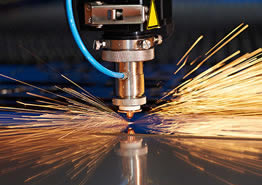 Laser Cutting
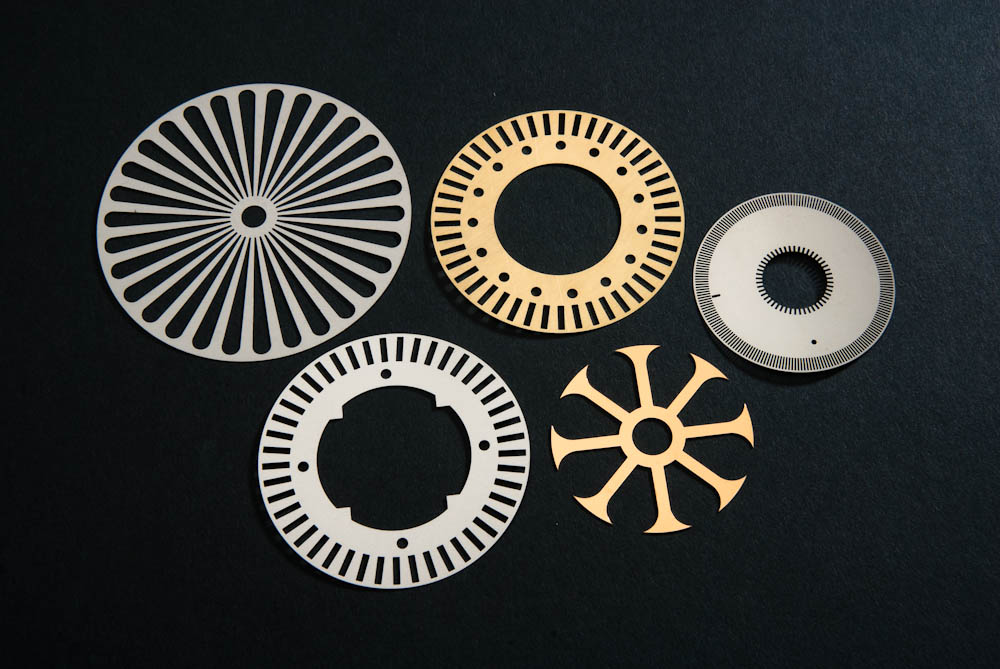 Metal Etching
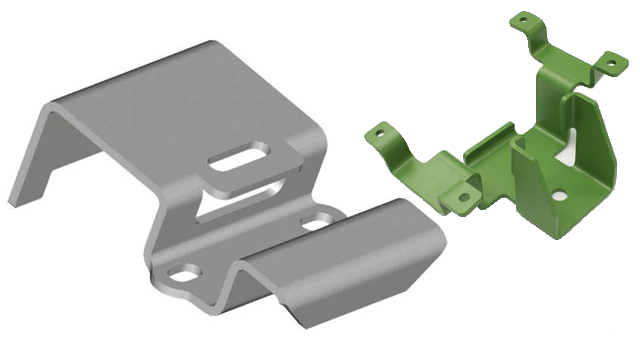 Metal Fabrication
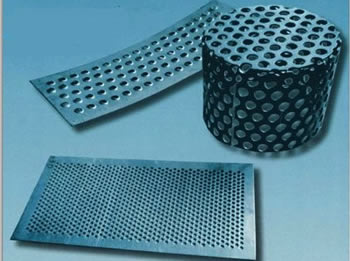 Perforated Metals
 Screw Machine Products
 Metal Stampings
 Sheet Metal Fabrication
 Tube Fabrication
 Water Jet Cutting
 Castings & Forgings
 Bulk Material Handling
 Electrical & Electronic Components
 Flow Instrumentation
 Hardware
 Material Handling Equipment
 Metal Cutting Services
 Metal Forming Services
 Metal Suppliers
 Motion Control Products
 Plant & Facility Equipment
 Plant & Facility Supplies
 Plastic Molding Processes
 Pumps & Valves
 Recycling Equipment
 Rubber Products & Services